
Try ‘mobility planning’ for travel with a disability
Visiting the finest outdoor spaces usually requires travel. But taking a plane, train, boat, or auto with a disease like Parkinson’s is no walk in the park.
Luckily, things are looking up for travelers with mobility challenges and other disabilities.
July is Disability Pride Month. If you have Parkinson’s, it’s likely you’re dealing with some type of disability, and if not — here’s a pleasant thought — it’s likely you will at some point.
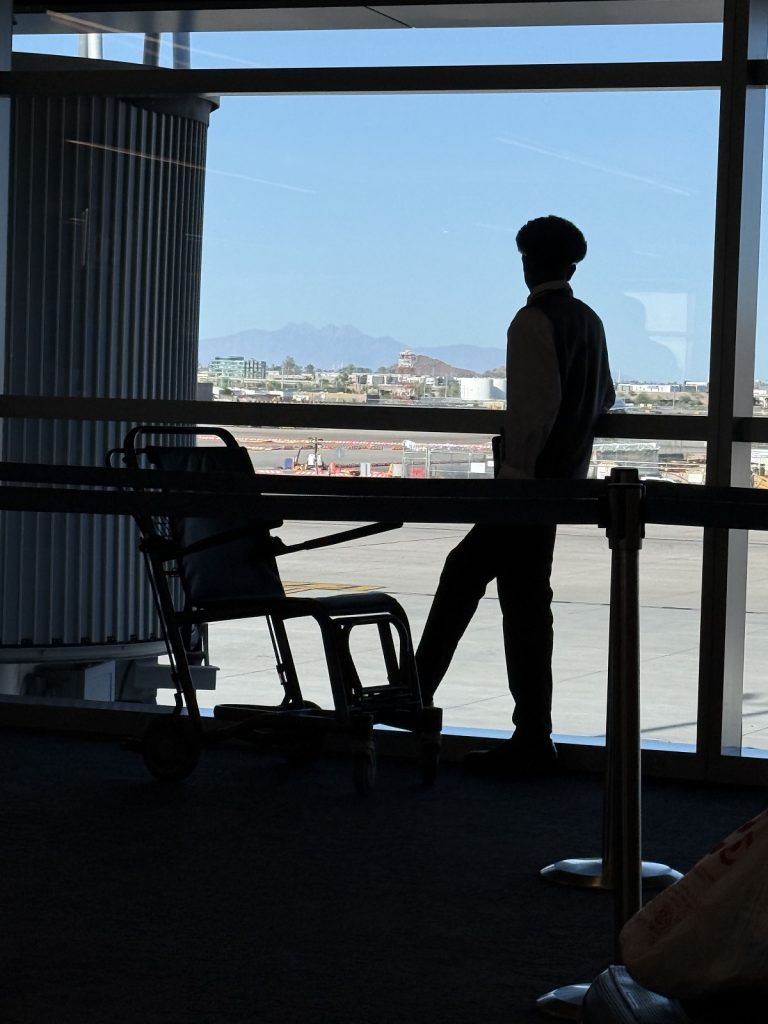
Travel is stressful for anyone, but pile on PD symptoms like loss of balance, digestive issues, and fatigue, plus juggling medicines on a time schedule, and you’ve got a hot mess to navigate.
On the bright side, if you’ve traveled recently, you may have noticed a greater emphasis on assistance for people with disabilities. Here are a few examples:
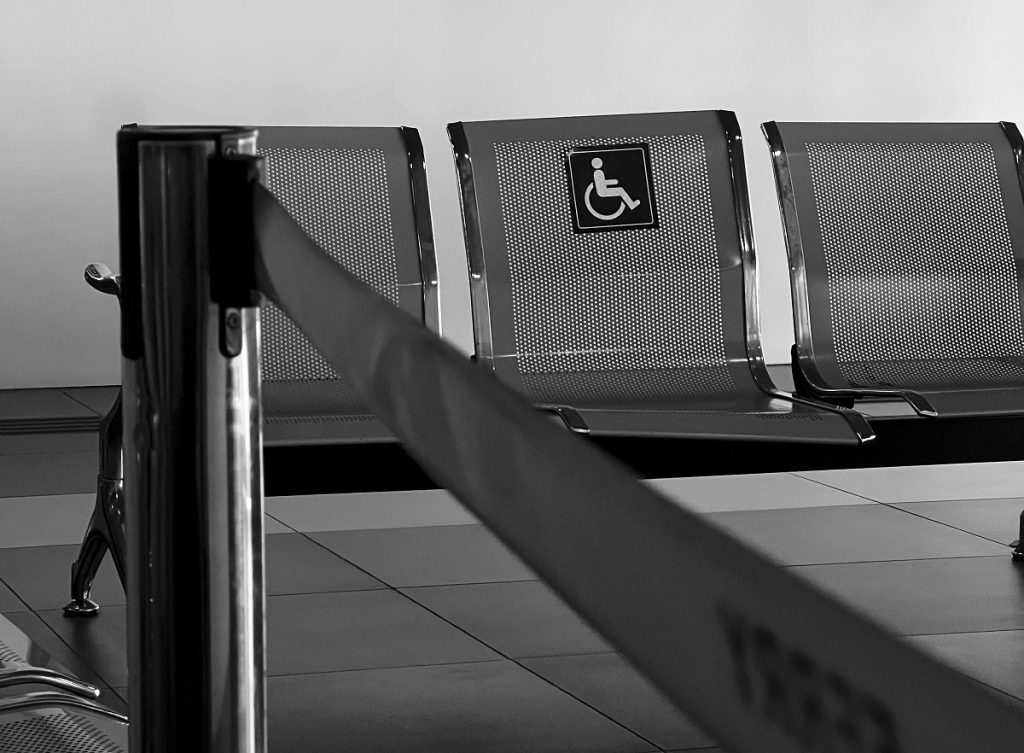
Seats in public places are reserved for people who use walking aids or have other disabilities. (Don’t judge anyone sitting there! Severe back pain, for instance, does not show.)
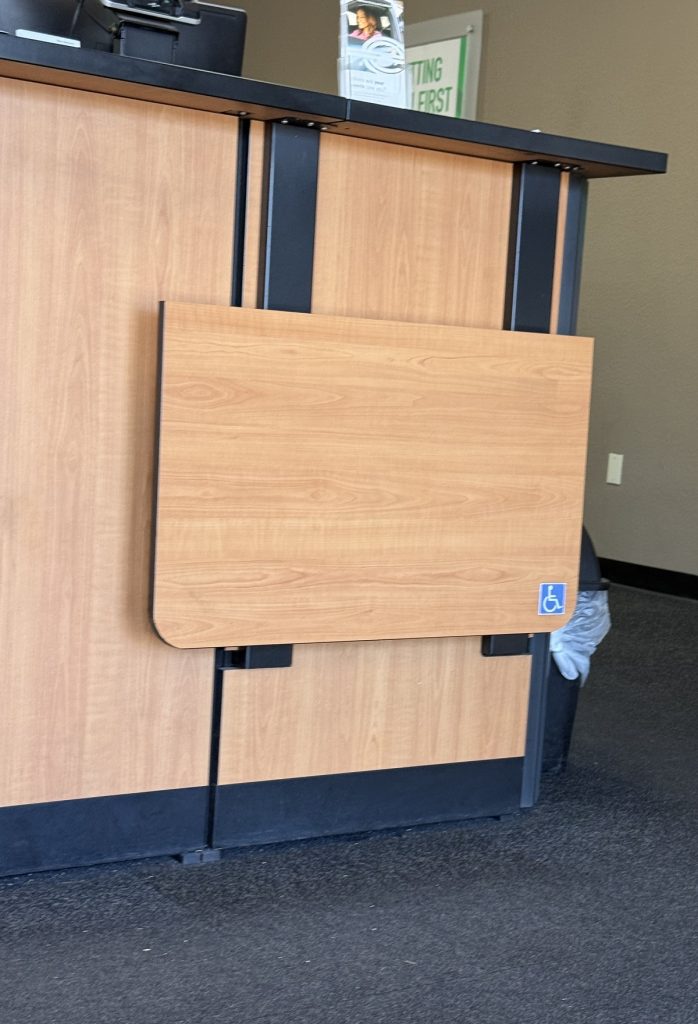
This handy fold-out desk at a car rental shop lets people in wheelchairs sign forms with ease.
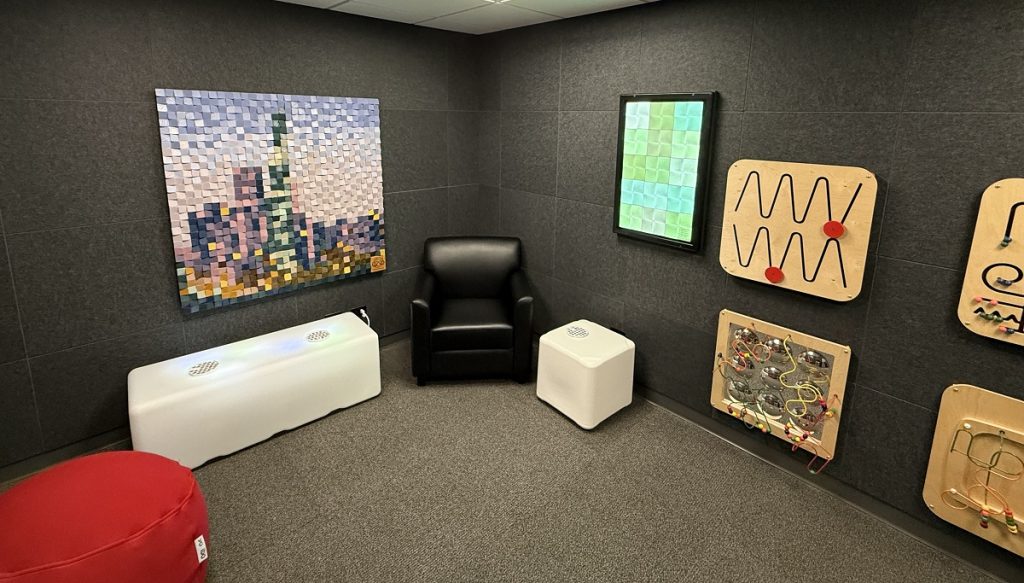
A quiet room at an indoor stadium allows people with autism to take a break from noise.
Of course, the Americans with Disabilities Act of 1990 is behind a lot of the changes. But the travel industry is finding it’s good business to make things easier for people who use wheelchairs and walkers, as well as for deaf and blind travelers.
Enter “mobility planning,” a way of arranging your travel when special needs are involved to ensure a smoother trip. It’s knowing ahead of time where to go and how to get there, how to stay comfortable, and where to find resources you might need.
I’ve compiled a few tips for planning travel when you or someone else has a disability.
Tips for accessible travel
- Do the research and choose destinations that show accessibility is a priority, with reliable elevators, smooth pathways, and flexible transportation.
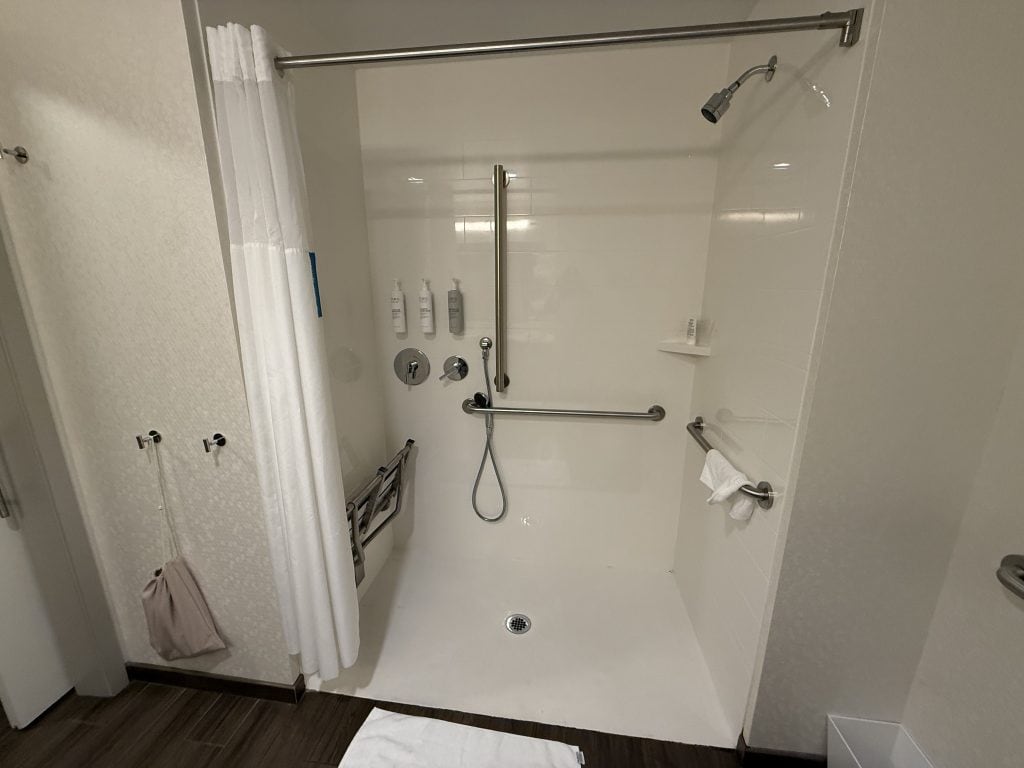
- Many hotels, restaurants and tourist attractions claim to be accessible. Ensure that they are by making a phone call before booking to tell them your needs.
- Keep your medications with you in a secure, easy-access place. Bring a set of extras and don’t pack them both in the same suitcase! It’s helpful to bring a doctor’s prescription or note so you can replace lost medicine.
- Consider using a professional travel planner. Their services are usually low cost or even free.
Tips by type of travel
By plane
Getting from Point A to Point B in an airport may feel like an obstacle course for someone with mobility challenges. There are things you can do to ease the way.
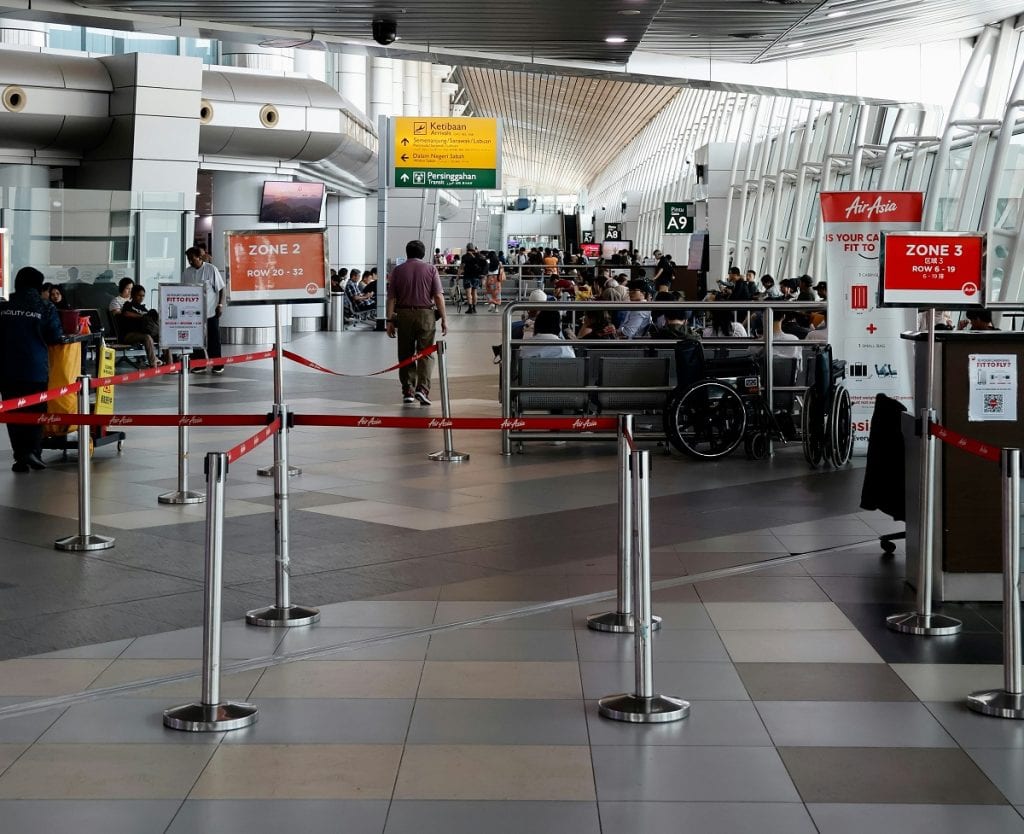
- Request wheelchair assistance when booking a flight. If staffing is short at the airport, stand your ground until you get what you are promised.
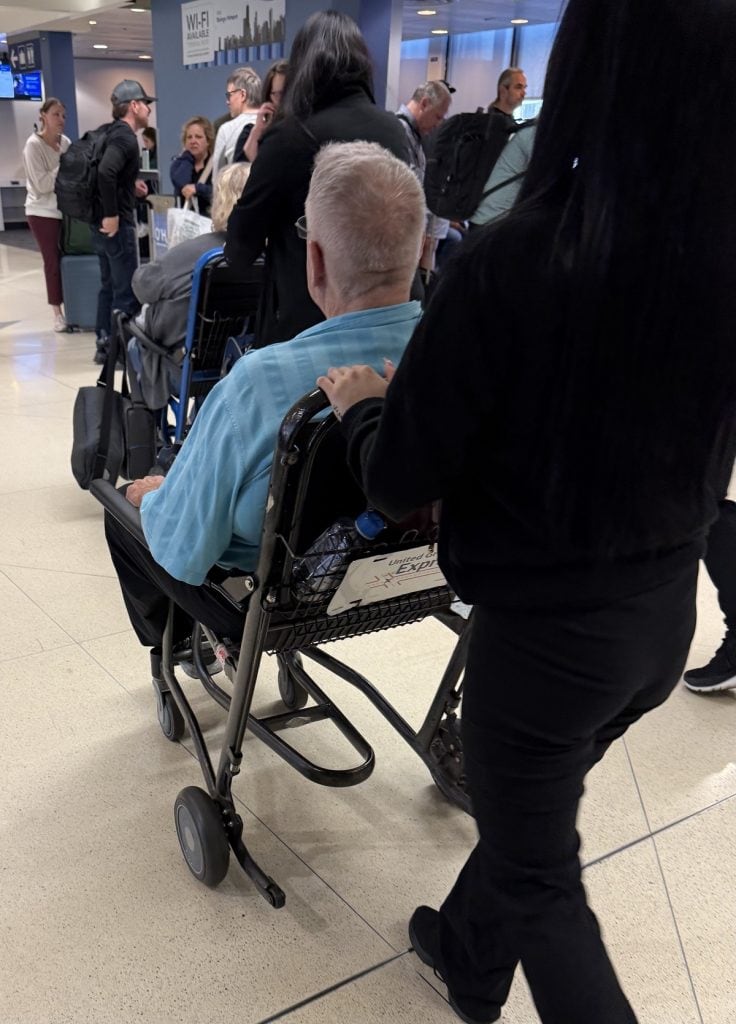
- It’s nice (but not expected) to tip your assistant for a job well done.
- If something goes horribly wrong, ask a gate attendant to call the complaints resolution official, or CRO. All airlines are required to have one on duty.
- Leave extra time when booking connecting flights. If a layover is tight, find a different flight that gives you more time.
By boat
- Check the ship’s design before you book. Larger ships tend to be more accessible. Most cruise lines have an accessibility department that can guide you.
By car
Taking a vehicle gives more flexibility, but that has to be weighed against time constraints for the trip. On the plus side, you can take your medical supplies with you and make pit stops on demand.
- Every hour or two, take a movement break. It’s essential to get out of the car and move around.
- If using a rental car, before signing the contract on the car assigned to you, try getting in and out of if first. Is the seat space too high? Too low? You can ask for a model that works.
By train
- Request a pillow and blanket to keep comfortable as the temperatures inside change.
Travel with a disability will rarely be stress free, but it needn’t completely upend your mojo.
To me, traveling to a place with a trail or two with lovely new views is worth a little stress. Only you can decide what works for you.
And some focused planning can minimize the hassles as you to get to the places and the people you love.
Related post: Why more outdoor spaces for the disabled are needed.
Do you have an idea for making travel more accessible? Put it in the comments!



Make sure to have adequate cell phone charging power on road trips. If you’re in unfamiliar areas the GPS is vital. Carry backup maps in the car. Plan your route ahead of time and I hardly ever do, haha. Don’t hesitate to stop and walk-run in any old parking lot. Drink water before you need to not after. Subway stores are plentiful in the Midwest at least- buy footlongs and save the second half – you may need it.
Great suggestions for car travel, from one who knows. Thanks, Dan!