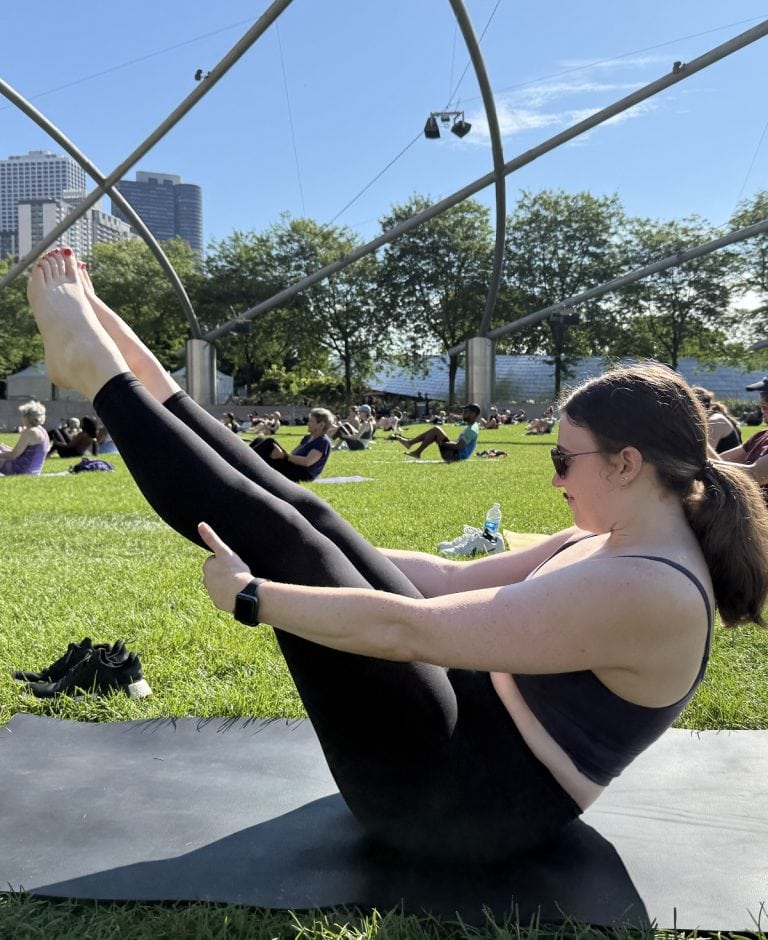
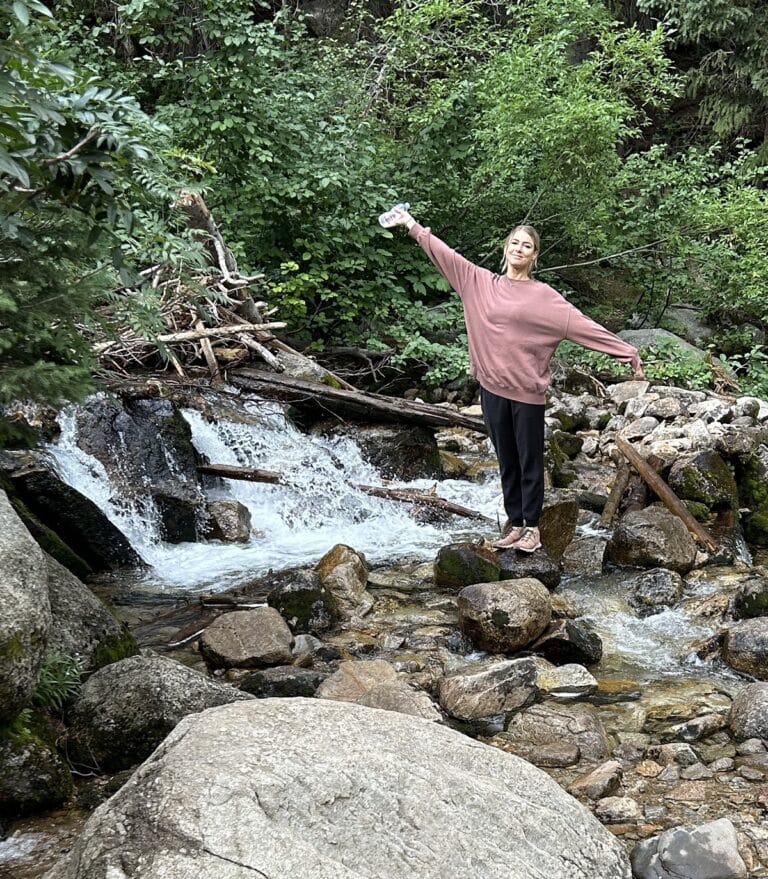
Access to the outdoors for all is a worthy goal
I have lived with Parkinson’s more than six years, not counting the time I felt symptoms before I was “officially” diagnosed. So let’s say it’s been eight or nine years.
So, over that time, has PD stopped me from trying new hikes and other outdoor adventures?
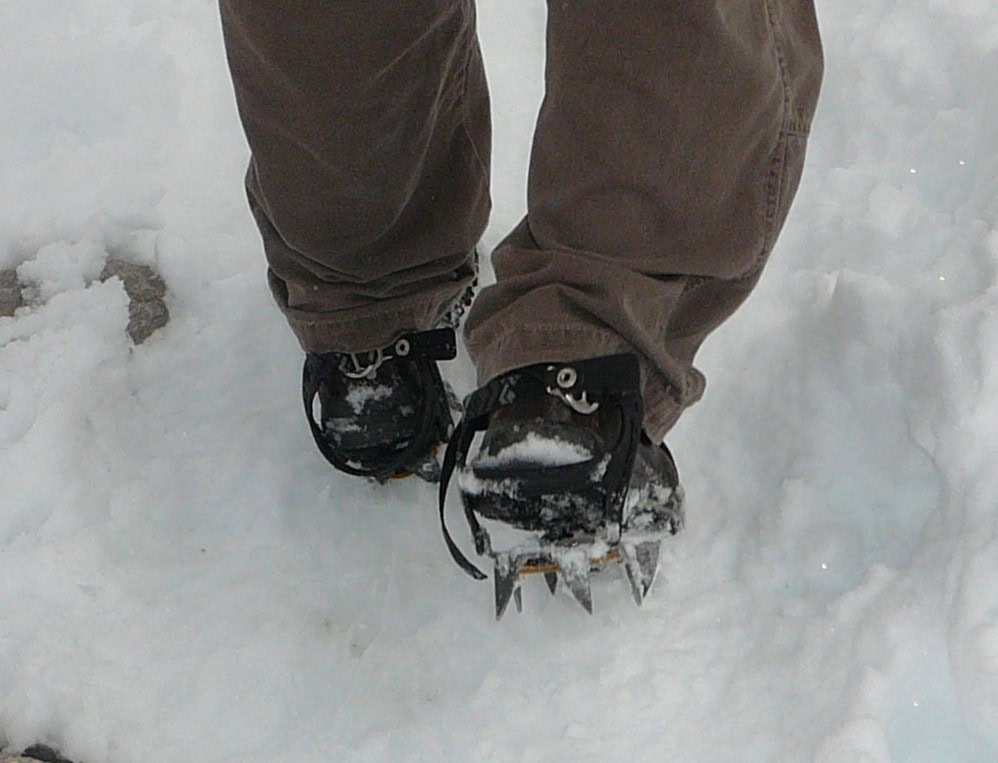
Well, I did hang up my crampons and ice axe, so mountaineering is out.
Other than that, the answer is: not yet.
But I can’t say that too loudly. Parkinson’s is a cruel, progressive, control-seeking, dopamine-destroying disease that just might sideline me from my favorite outdoor activities.
I’ve met many people with Parkinson’s who are already there. Being able-bodied is temporary for us.
Disability awareness
July is designated as Disability Pride Month in the U.S. It was on July 26, 1990, that the landmark Americans with Disabilities Act was made law.
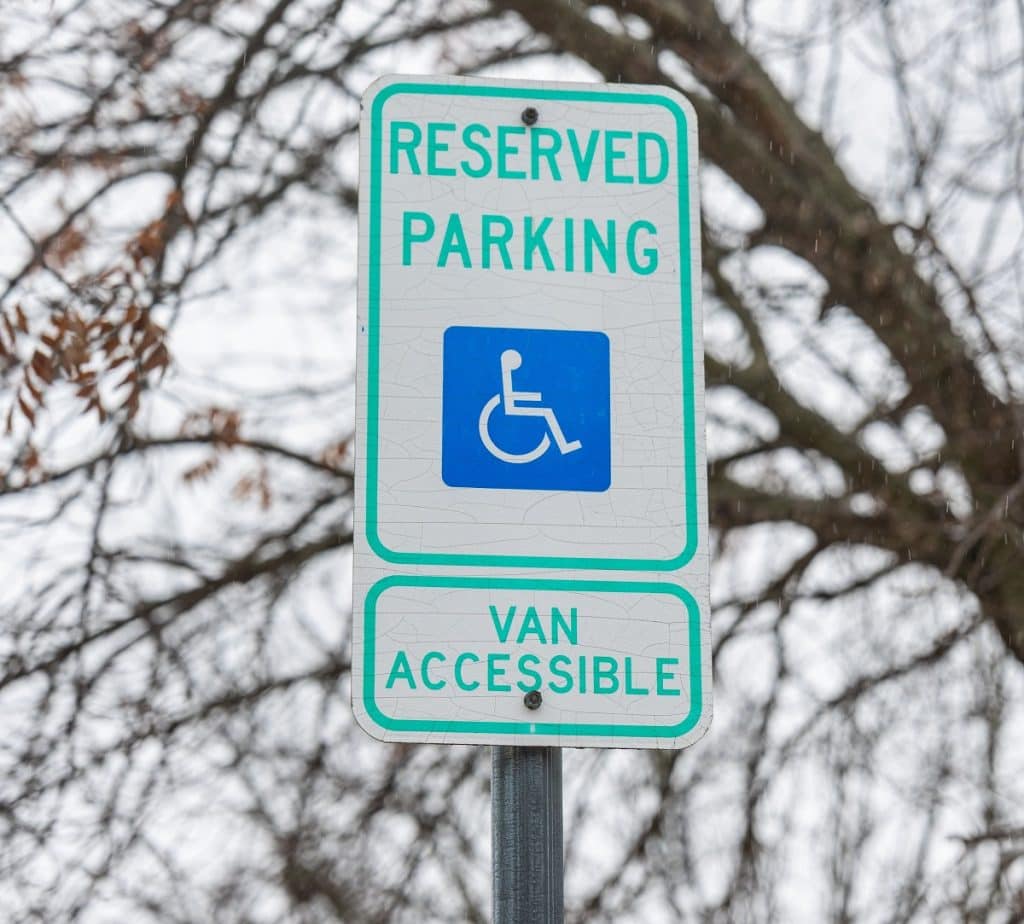
The ADA prohibits discrimination against those with disabilities regarding jobs, schools, transportation, and many public and private places. We now see more handicapped parking spaces, larger stalls in public bathrooms, and communication tools for deaf and blind Americans.
People with Parkinson’s can benefit from the parts of the law that deal with mobility issues. Cognitive impairment and mental health challenges are other types of disability covered by the law — and often seen in PD patients.
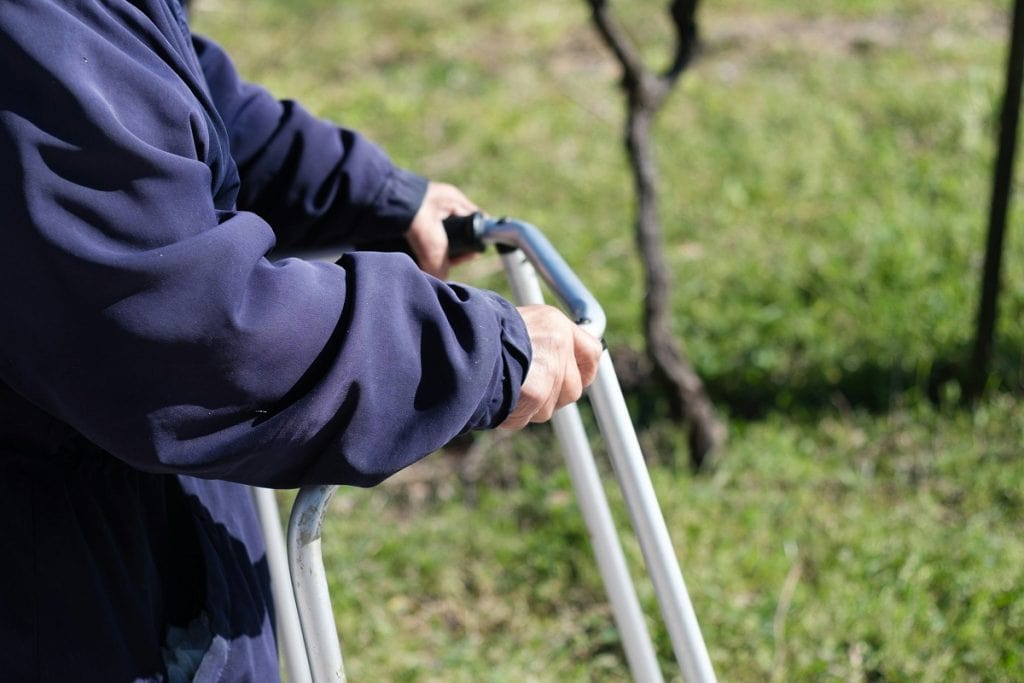
A 2008 amendment to the ADA expanded the law, which at first covered only those in wheelchairs. Now people who use canes, crutches, or walkers are considered, too. Anxiety disorders were given more consideration. That’s progress.
Outdoor world
I’m particularly interested in rules about access to outdoor spaces, which got another close look in 2011 in this document.
The rules cover design and construction of campsites, picnic facilities, viewing areas, trails, and beach access routes. The agencies that oversee compliance are Bureau of Land Management, U.S. Forest Service, National Park Service, and others.
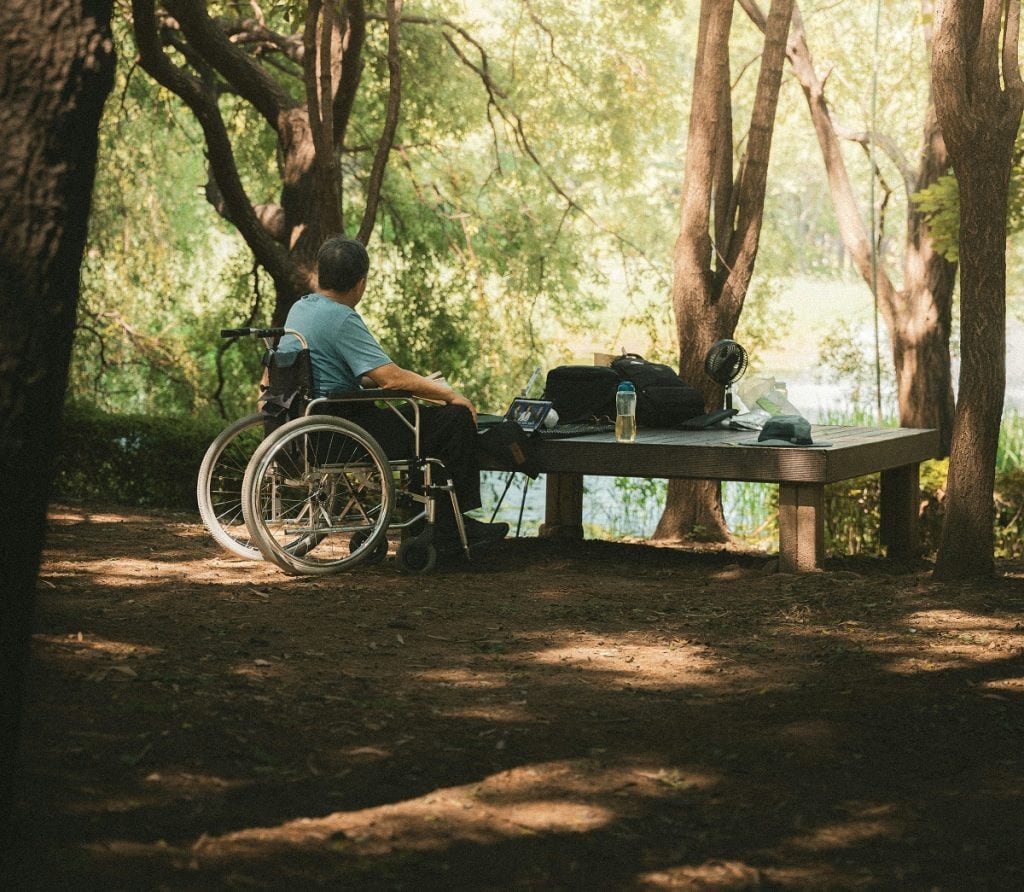
The guidelines are not what I’d call a good beach read. I’m always amused by government-speak, like this directive, about requirements for “passing spaces”:
The intersection of two trails providing a T-shaped space complying with 304.3.2 of the Architectural Barriers Act Accessibility Guidelines where the base and the arms of the T-shaped space extend 48 inches minimum beyond the intersection.
Is your head spinning?!
It is clear, however, that accessible hiking trails that follow rules about surface, width, slope, resting intervals, protruding objects, and trail signs get ADA’s approval.
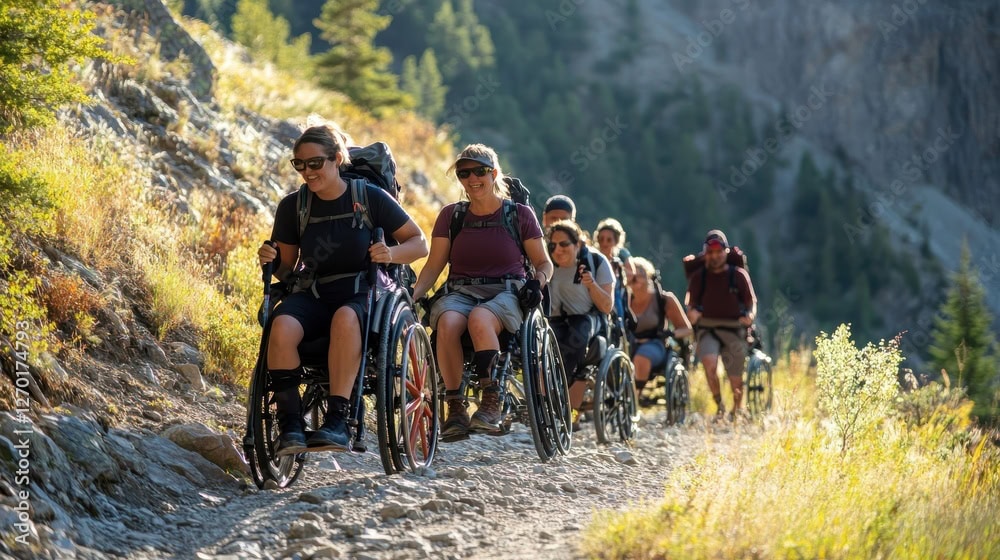
Exceptions are given, such as where “compliance is not practicable due to terrain.” I take this to mean that most dirt hiking trails out there are exempt, but don’t quote me on that.
What’s being done
Meanwhile, some recreation areas are going above and beyond to make outdoor spaces more attractive and accessible to people with disabilities.
Track chairs like these (below) are all the rage, with state and national parks letting users take them out free of charge.
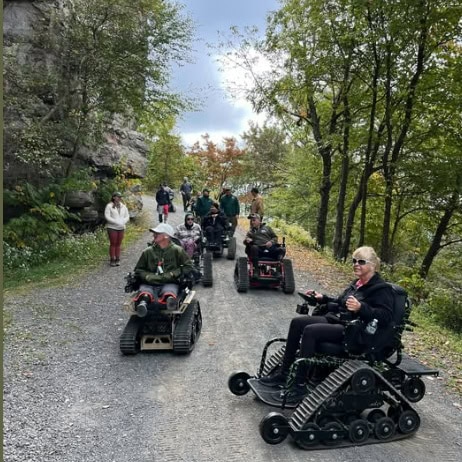
I wrote about the growing use of these chairs here.
A U.S. House subcommittee held a hearing earlier this year saying it was committed to working for more accessibility at national parks. The NPS has made many improvements in recent years.
One example is Mammoth Cave in Kentucky, which offers an accessible tour that takes the group to areas of the cave with lots of room for wheelchairs.
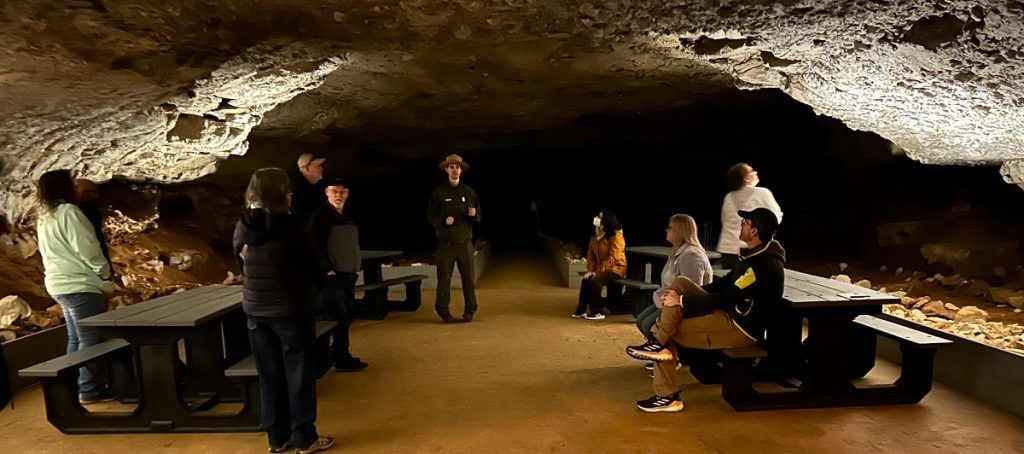
State parks are innovating too, adding boats with ample room for several mobility devices — so that everyone can get views from the water.
What can we do?
Having Parkinson’s, I notice more than ever how difficult getting from Point A to Point B can be for people with disabilities. Knowing such challenges are likely in my future is sobering.
Simple things can be done to help, like not parking over the line into a handicapped space, holding a door open for a slow-moving person, or showing patience when someone speaks very softly.
Beyond the courtesies, write a letter to a state or federal representative about the need to step up efforts and funding for ADA compliance in outdoor spaces.
It’s important, because it could be that any one of us — Parkinson’s or not — is only temporarily able-bodied.
What’s your experience with ADA-type improvements to outdoor recreational areas? Share your thoughts in the comments.
Other posts recognizing Disability Pride Month
— Traveling with Parkinson’s-related disabilities
— A review on another accessible trial I’ve discovered.
— A list of resources on accessibility for people who want to keep moving