My story (Part 3): Staying optimistic with Parkinson’s
Third in a series of posts taken from a motivational talk I gave at Neurobalance in Barrington, Illinois, a center that serves people with Parkinson’s and other movement disorders. The text has been edited.
Part 1: Reaching the highest point of 49 states
Part 2: The story of my diagnosis
Part 3: How I try to remain positive
My story: Part 3
Parkinson’s, as you know, is a progressive disease. Having hope that things are going to get better is very difficult because it’s just gonna get worse, right? You don’t heal from it, you don’t have a cure yet — but you can have hope for better therapies for earlier detection and intervention, and for living a fuller, longer life.
Finding a positive attitude is difficult for many people, especially because one of the major symptoms with Parkinson’s disease is depression. Trying to dig yourself out of that hole is hard enough already. Plus, there are something like 20 or 30 other symptoms associated with the disease.
That’s so random
Not counting the estimated 10 to 15 percent of Parkinson cases that are likely hereditary, the rest of us with Parkinson’s have no idea how we got it. It’s part of the randomness of all this –- and is just baffling.

I feel like Pixar’s aliens in “Toy Story” … OK, so I’ve been chosen. Great. Thank you.
For some people Parkinson’s progresses quickly; for others it happens over a decade or two. Again, it’s so random.
So how does a person stay positive through this?? Here are three things that work for me.
No. 1: Find your peeps
It’s important to find a community. That doesn’t necessarily mean a support group, but I’m certainly going to tout the idea of support groups. Finding a community is a way to keep yourself from isolation.

Being with others facing similar challenges can ease feelings of loneliness. It really helps lift your spirits.
Maybe a support group is not for everybody, but it’s something for everybody to consider.
I was introduced to the idea of a support group the first time I saw my PD doctor, and she gave me some people to contact. I visited a couple of groups, including one in my neighborhood, eventually settling on one that was all women. Most of the ladies had been diagnosed with Parkinson’s fairly young.
They are amazing women, and I’ve really come to cherish their friendship. One of them was a fire truck driver when she got Parkinson’s. She didn’t tell anybody for a couple of years until she could retire. Other members have been a roller derby athlete, a global hiker, and a college instructor.
A couple more of them are Parkinson’s advocates. We meet monthly, mostly online but sometimes in person.
What’s most important finding is someone who will listen to you. Someone to toss ideas around with.
No. 2: Summon your creativity
I love this. Maybe you’ve heard this before. I’ve seen people with Parkinson’s all of a sudden try something new — brand new to them. There was an article about a guy who had always wanted to be a stand-up comic, and so he created his own routine, and then at nightclubs he bashed Parkinson’s in front of the world. And you know, it was great. It was something he always wanted to do and tried it after he was diagnosed with Parkinson’s.
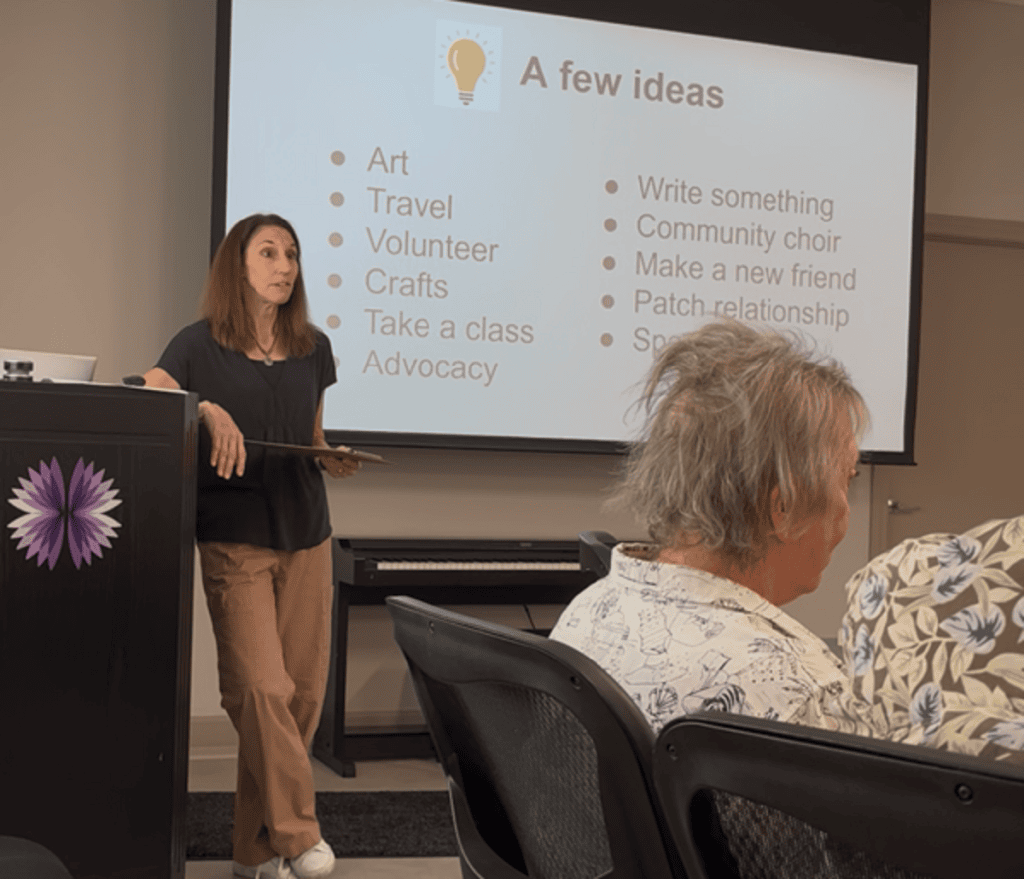
So maybe there’s a new drive within some people with a new diagnosis –- the idea that they want to do something special. If this is you, consider these ideas.
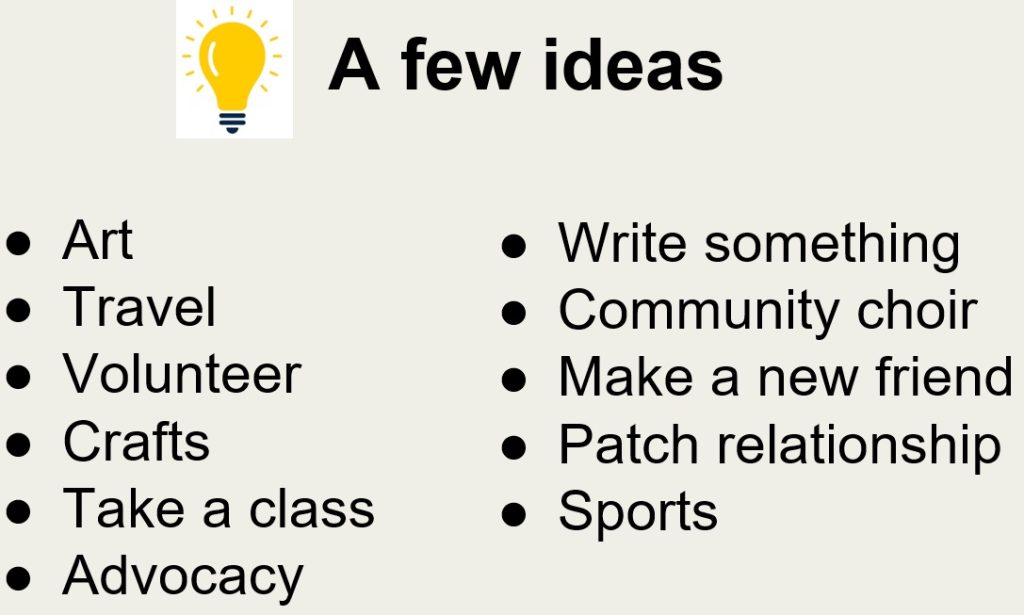
Travel is one. If you don’t think you can travel, there are all sorts of accessible ways for people to get around, including at airports.
You can volunteer somewhere, maybe an animal shelter. Or if you have skills from your career that you could help people with, that’s an excellent way to use them.
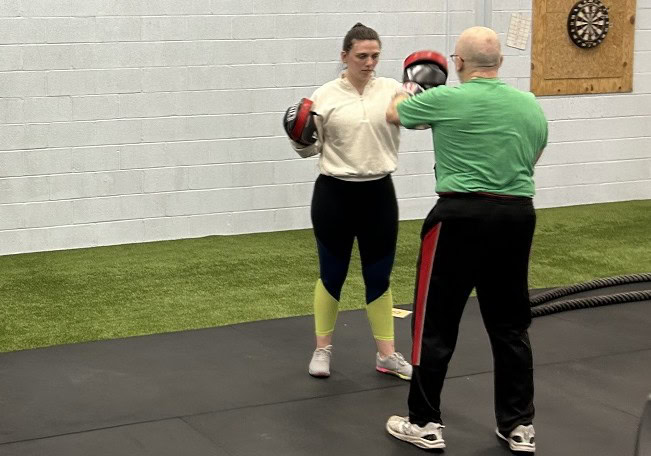
Take up crafts. Try boxing.
Or maybe you could take a class in something where you don’t need to move a lot, like astronomy, or a college elective you never had time for.
Write a kids book, or start a journal. If you like to sing, join a community choir.
Or start a blog!
You’ve heard of a midlife crisis? I like to think I am in a “midlife crescendo.” I try to think about living better than I did even before Parkinson’s struck.
No. 3: Recognize and express gratitude
“With gratitude optimism is sustainable.” That quote comes from Michael J. Fox’s father-in-law, who had it on his desk, and he adopted it as his own favorite. It’s powerful. One of my friends who has Parkinson’s had her arm tattooed with the quote.
Gratitude is balm for wounds in life. I’m not glad that I got Parkinson’s, but I can see some silver linings. One of my blog posts gives my five reasons that I’m grateful. Coming up with five reasons to be thankful for a disease? It wasn’t as hard as I thought it would be.
Gratitude is something that you can feel in your heart. But it’s even better to show it.
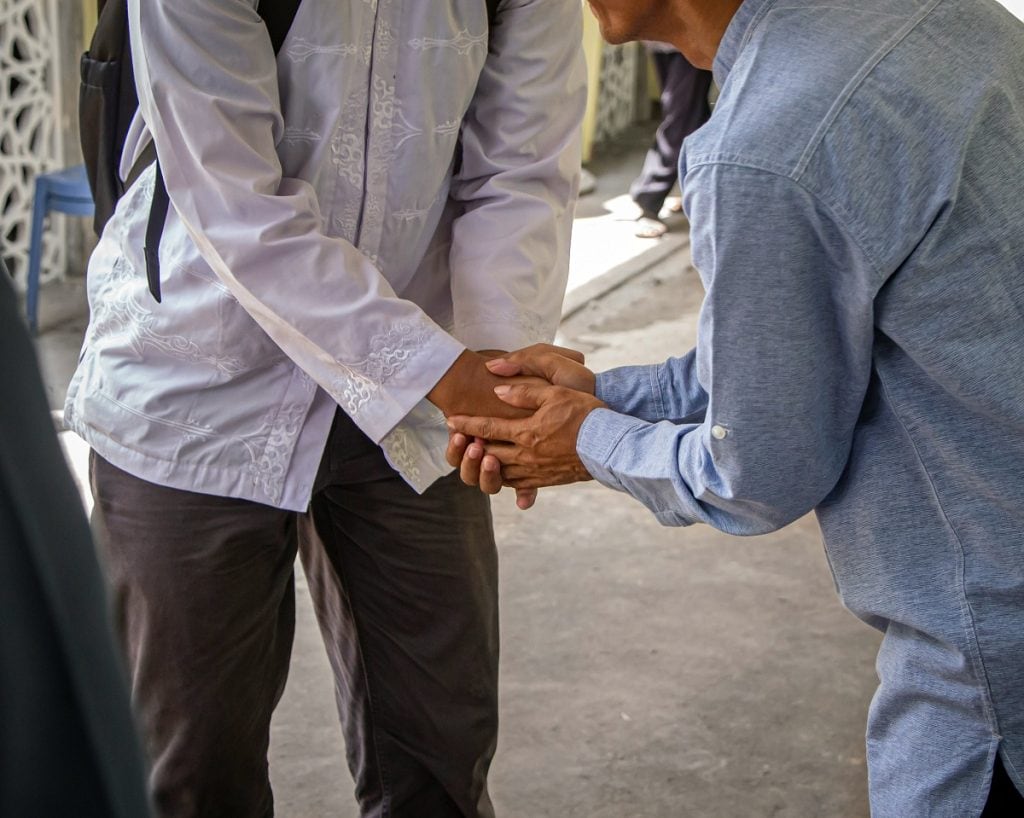
Tell someone “I’m thankful for you” or for what they’ve done.
If you’re a praying person, thank your Creator, thank God for your blessings.
I truly believe that it will bring joy even when you’re in the deepest depression or the worst of your symptoms. Practicing gratitude helped me to develop a more positive outlook. I’m not saying it’s a perfect solution, but it’s certainly something I would urge anyone with Parkinson’s to try.
I’ve outlined three things – gratitude, creativity, and community – that really help me to stay positive and to think about the good things that can come out of this ugly disease.
Do you have your own ways to stay optimistic? Share them in the comments below.