Parkinson’s got you climbing the walls? That could be good
It’s difficult to walk. Your hand feels weak and tremorous. Your apathy about exercise is paralyzing.
So, would you be up for some rock climbing?
I’m not kidding, and here’s why: There are climbing gyms across the nation that have people with Parkinson’s disease on the move – upward.
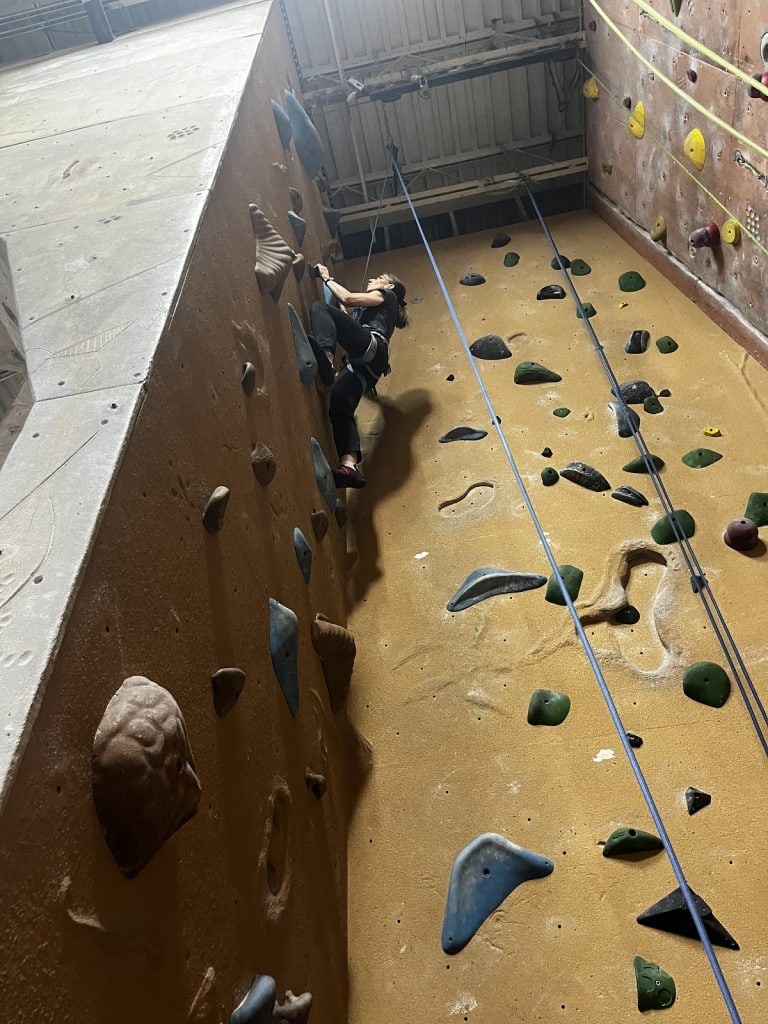
They are showing that climbing is good exercise therapy for PD, boosting muscle strength and cardio fitness.
Besides that, it’s fun, and people with Parkinson’s keep coming back.
Gyms take notice
I came across a YouTube video about a woman with Parkinson’s who started climbing at a gym in the Washington, D.C., area. The woman, Michelle, says that starting in her 50s she was walking “like an old lady.”
Then she describes what changed. “When I came here and I did my first climb I thought, ‘Wow, I can’t walk but I can climb!’ ” She was hooked!
The video is a few years old, so I called the D.C.-area gym where Michelle worked out to see if they’re still in business.
They are. In 2013, Sportrock Climbing Centers director Molly Cupka started the nonprofit that runs climbing classes for people with Parkinson’s. It’s called Up Ending Parkinsons, and it now has more than 70 locations across the country, as shown below.
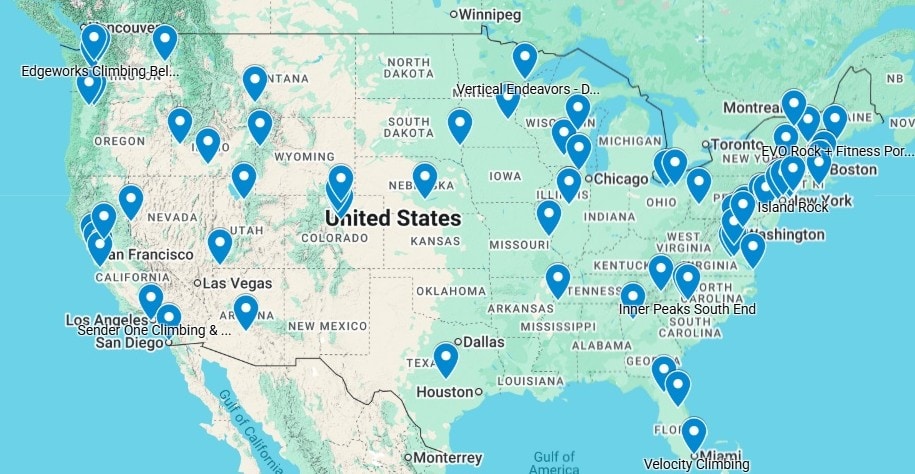
While Up Ending Parkinsons was the first program of its kind, other organizations have offered opportunities to climb during the past decade, too.
Getting into climbing
I started rock climbing in my late 30s. At first, my husband would go with our son’s Boy Scout troop to local gyms and even out of state to some lake bluffs that are popular with climbers.
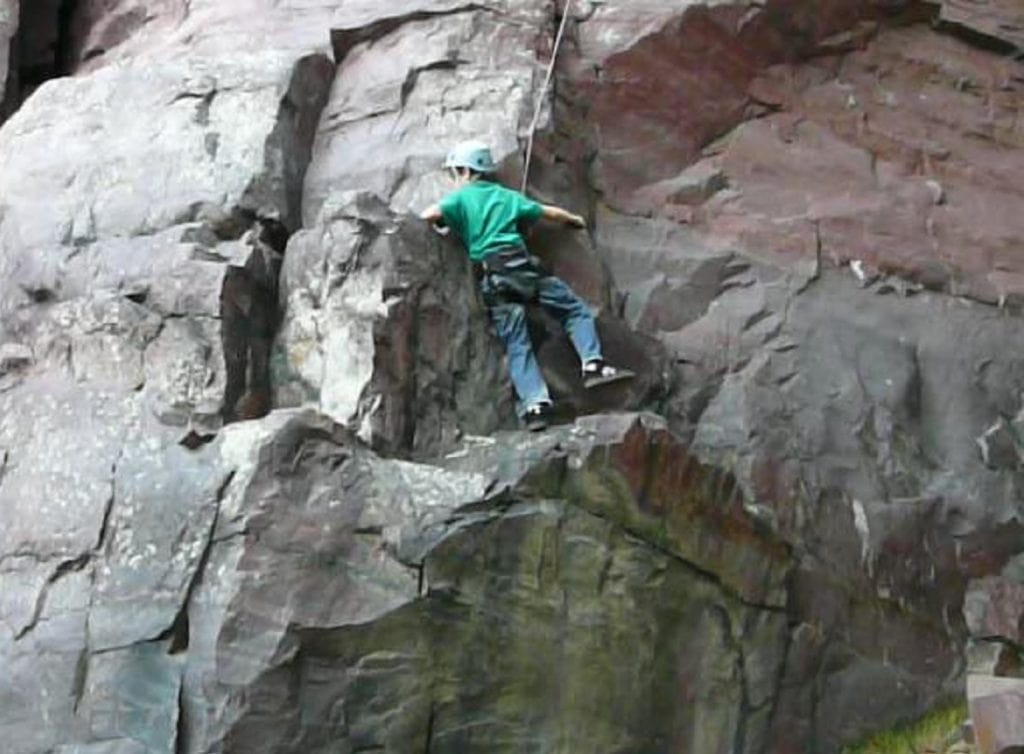
Eventually I joined their excursions, along with our other children.
I learned how to set up rope systems, how to belay climbers, and most importantly how to be safe.
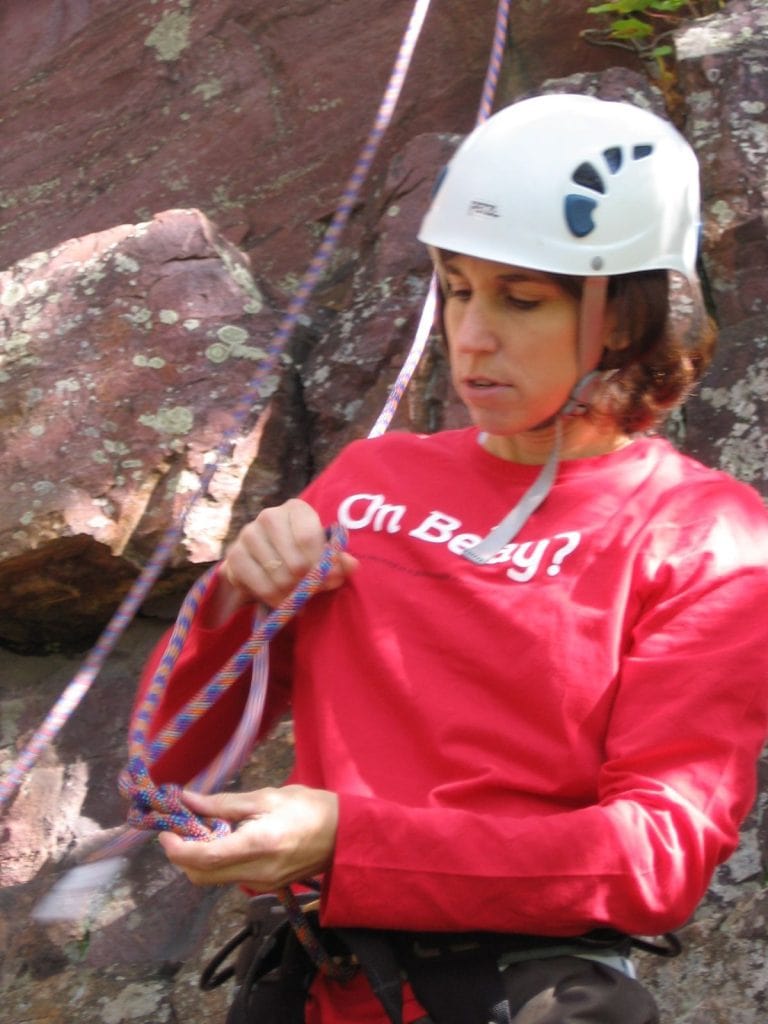
It sounds weird, but being on a wall of granite looking for the next handhold was euphoric for me. A real thrill. My love of outdoor climbing eventually morphed into mountaineering. (More on that here.)
Then Parkinson’s stepped in. No, it came barreling in. In recent years, I’ve slowed down on technical climbing and made other changes. I won’t belay anymore because I don’t trust my balance or my hand and arm strength.
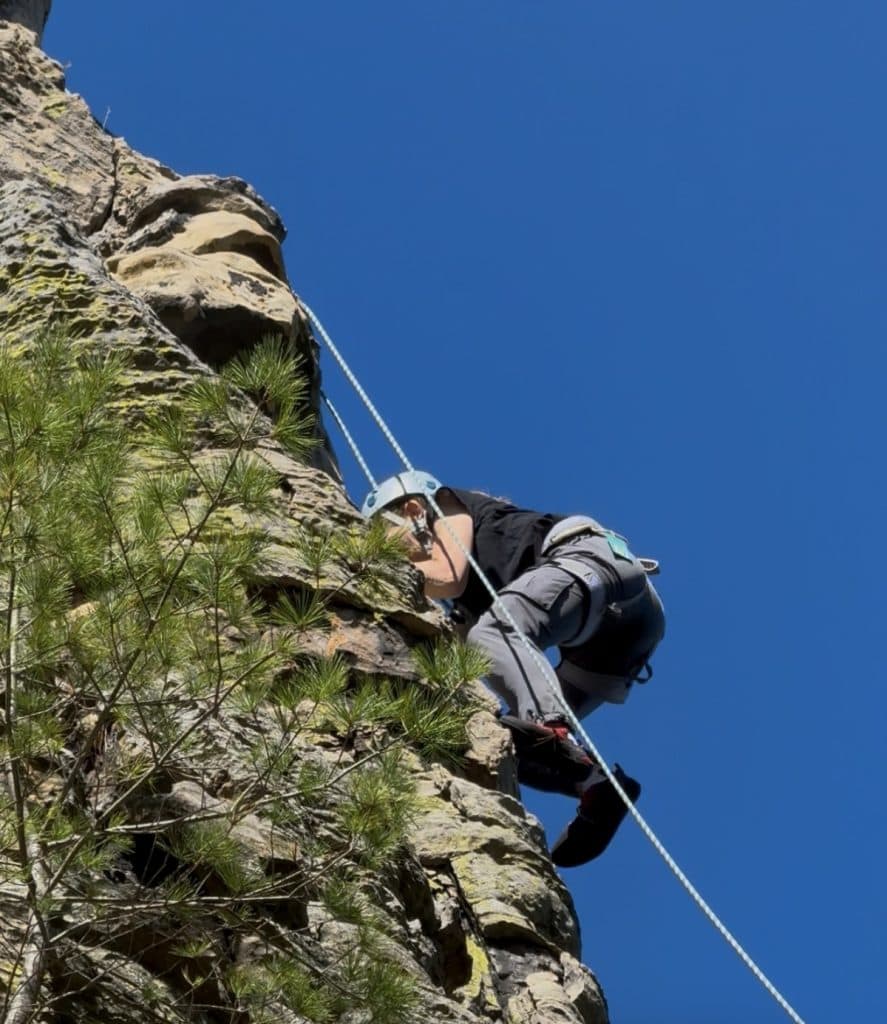
However, last fall I couldn’t resist a chance to join family members on a climbing outing in Necedah, Wisconsin. I made a 2-minute video to show how it went, but as a mini-spoiler, I’ll say that the Parkinson’s gods smiled on my attempt. I’m grateful that I’m still at a stage where I can challenge myself.
All the right benefits
Molly Cupka, the Up Ending Parkinsons founder, told me in an email that the class instructors focus on creating a supportive, low-pressure environment, knowing that climbers get comfortable with it at their own pace.
“Confidence tends to grow quickly once people realize they are capable of more than they expected,” she wrote. I hope to visit an Up Ending class soon.
Even those whose symptoms are advancing can benefit from climbing walls at a gym. It’s a sport that hits several exercise targets: cardio, strength, balance, flexibility. Plus there’s a chance for social interaction, which is always a good thing.
Best of all, inside a climbing gym, there’s padding everywhere you go. Where else could you feel so safe?